 By admin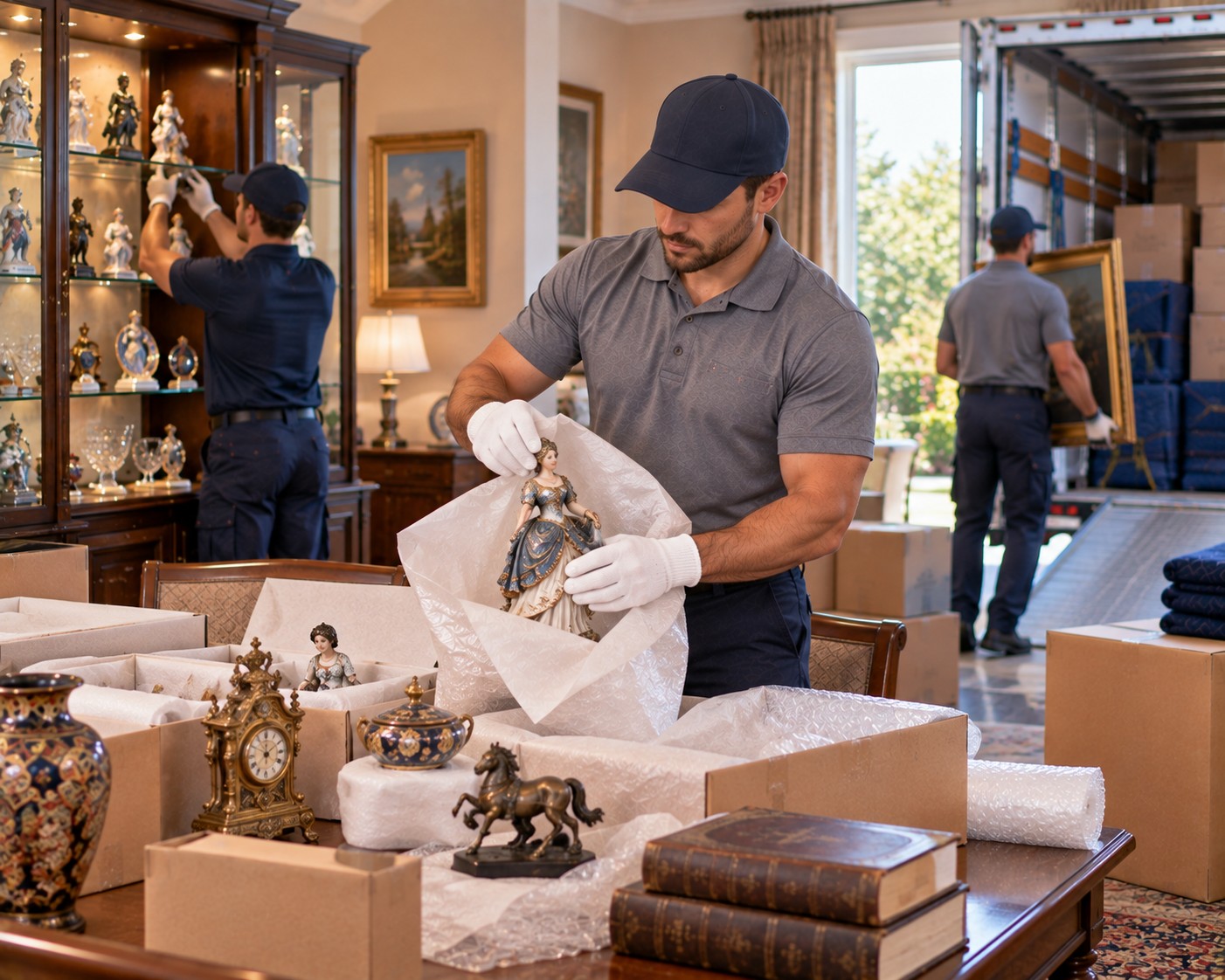
A home filled with collectibles has its own rhythm. Shelves may hold vintage figures, rare books, model cars, ceramics, sports memorabilia, artwork, or objects gathered over decades. Each piece has a place, a history, and often a value that cannot be measured by its price tag alone. Relocating such a household requires more than ordinary packing. It calls for careful observation, detailed organization, and a moving team that understands why small items deserve serious attention.
Families planning a move can explore https://hawaiimovingservices.com/ to find support for a relocation involving delicate displays, valuable objects, and numerous carefully arranged collections.
Why Collectible Displays Change the Moving Process
Collectibles are often displayed in open cabinets, glass cases, wall-mounted shelves, or custom-built units. These arrangements create several challenges. Items may be fragile, unusually shaped, difficult to replace, or vulnerable to scratches and pressure.
Residential Movers Hawaii for Families can begin by reviewing the collection before packing starts. This helps identify which pieces need individual wrapping, which can travel together, and which display structures must be disassembled.
Building a Collection-Specific Inventory
A detailed inventory is especially useful when a household contains hundreds of small objects. Instead of labeling boxes only by room, movers and homeowners can use categories such as “ceramic figures,” “boxed models,” “framed memorabilia,” or “glass display pieces.”
Photographs of shelves and cabinets can provide an additional reference. They show how the collection was arranged before the move and make it easier to recreate the display in the new home.
Separating Everyday Items From High-Value Pieces
Not every collectible requires the same level of protection. A sturdy metal model may need different packaging from an antique porcelain ornament or a signed photograph.
Professional movers can divide the collection into handling groups:
- Fragile items requiring individual wrapping
- Valuable pieces needing extra documentation
- Small objects that should remain together as a set
- Oversized collectibles requiring custom protection
- Display cases and shelving that need separate preparation
This approach prevents delicate pieces from being packed randomly with heavier household goods. It also makes unloading more orderly, especially when the collection includes many boxes with similar sizes.
Packing Techniques for Delicate Collections
The safest packing method depends on the material, shape, and construction of each object. Bubble wrap, paper padding, foam inserts, corner protection, and sturdy cartons may all be useful, but the materials must be selected thoughtfully.
Glass, ceramics, and painted surfaces should not be allowed to rub against one another. Small gaps inside boxes can be filled with suitable cushioning so that objects do not shift during handling.
Residential Movers Hawaii for Families may also recommend using smaller cartons for dense collectibles. Large boxes can become too heavy when filled with books, figures, or metal objects. Smaller containers are easier to lift and reduce pressure on the items at the bottom.
Protecting Original Packaging
Collectors often keep original boxes, certificates, manuals, and protective inserts. These materials may be just as important as the collectible itself.
Original packaging should be labeled and stored with the correct item whenever possible. Mixing certificates or accessories between boxes can create confusion during unpacking and reduce the usefulness of the collection.
Handling Display Cabinets and Wall-Mounted Shelves
The furniture holding a collection deserves careful attention. Glass cabinets, mirrored doors, floating shelves, and custom display units may require partial disassembly before they can pass through doorways or stairwells.
Movers can protect glass panels separately and mark hardware bags according to the cabinet they belong to. Wall-mounted displays should also be photographed before removal so that brackets, fasteners, and placement details are not forgotten.
At the destination, the collection should not be unpacked until the display area is ready. Stable furniture, suitable lighting, and secure shelving create a safer environment for the objects.
Making the New Display Feel Familiar
A collection can make an unfamiliar house feel like home. For that reason, unpacking should be approached as a gradual process rather than a race to empty every carton.
Residential Movers Hawaii for Families can help place collection boxes in the correct rooms, allowing homeowners to inspect pieces before arranging them. The most fragile or valuable items can be opened first, while less sensitive objects wait until shelves and cabinets are properly positioned.
With the right preparation, a collection-filled household can arrive intact and organized. The move becomes an opportunity to improve the display, remove unnecessary clutter, and give treasured objects a secure new setting without losing the personal story behind them.